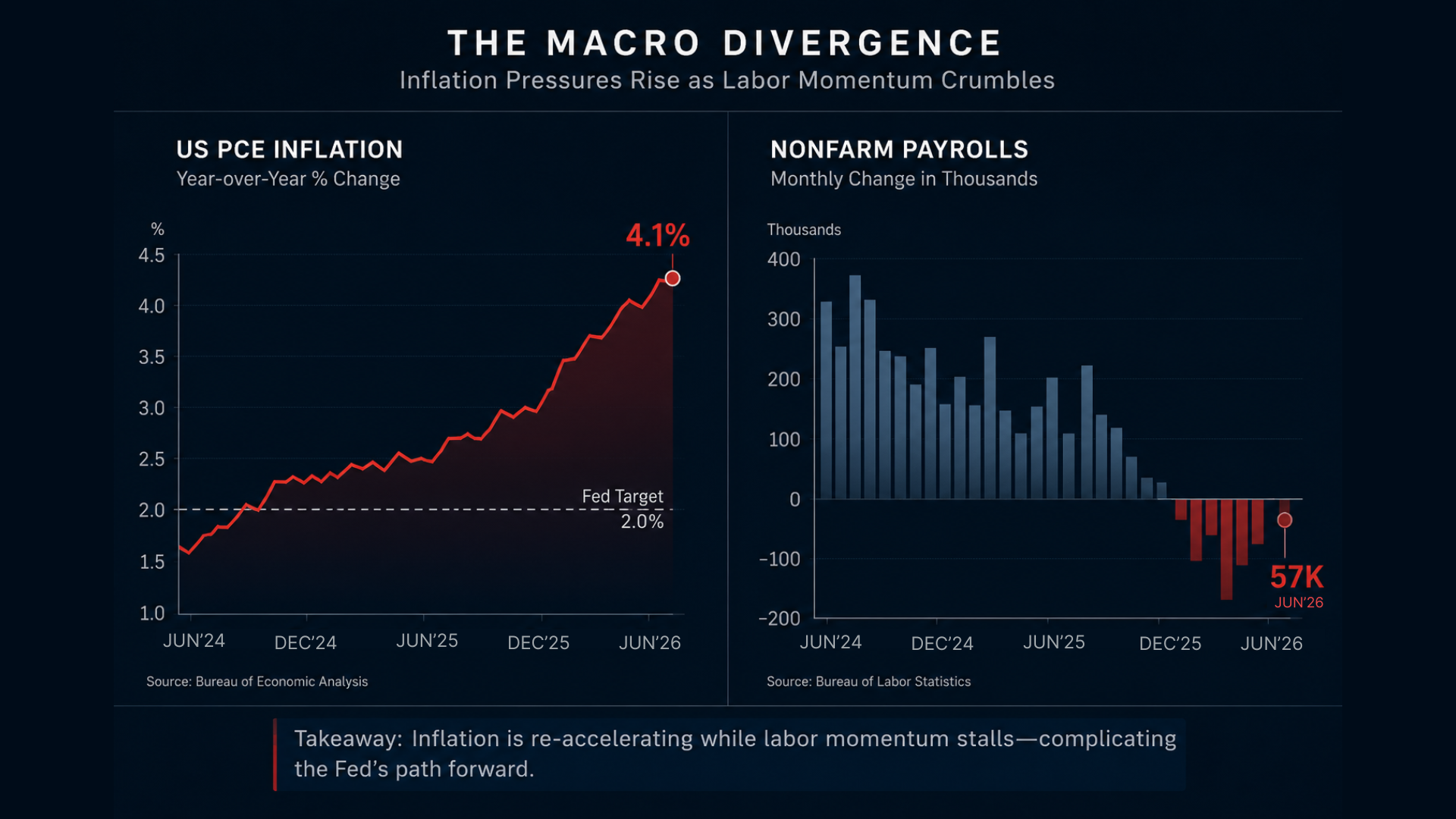
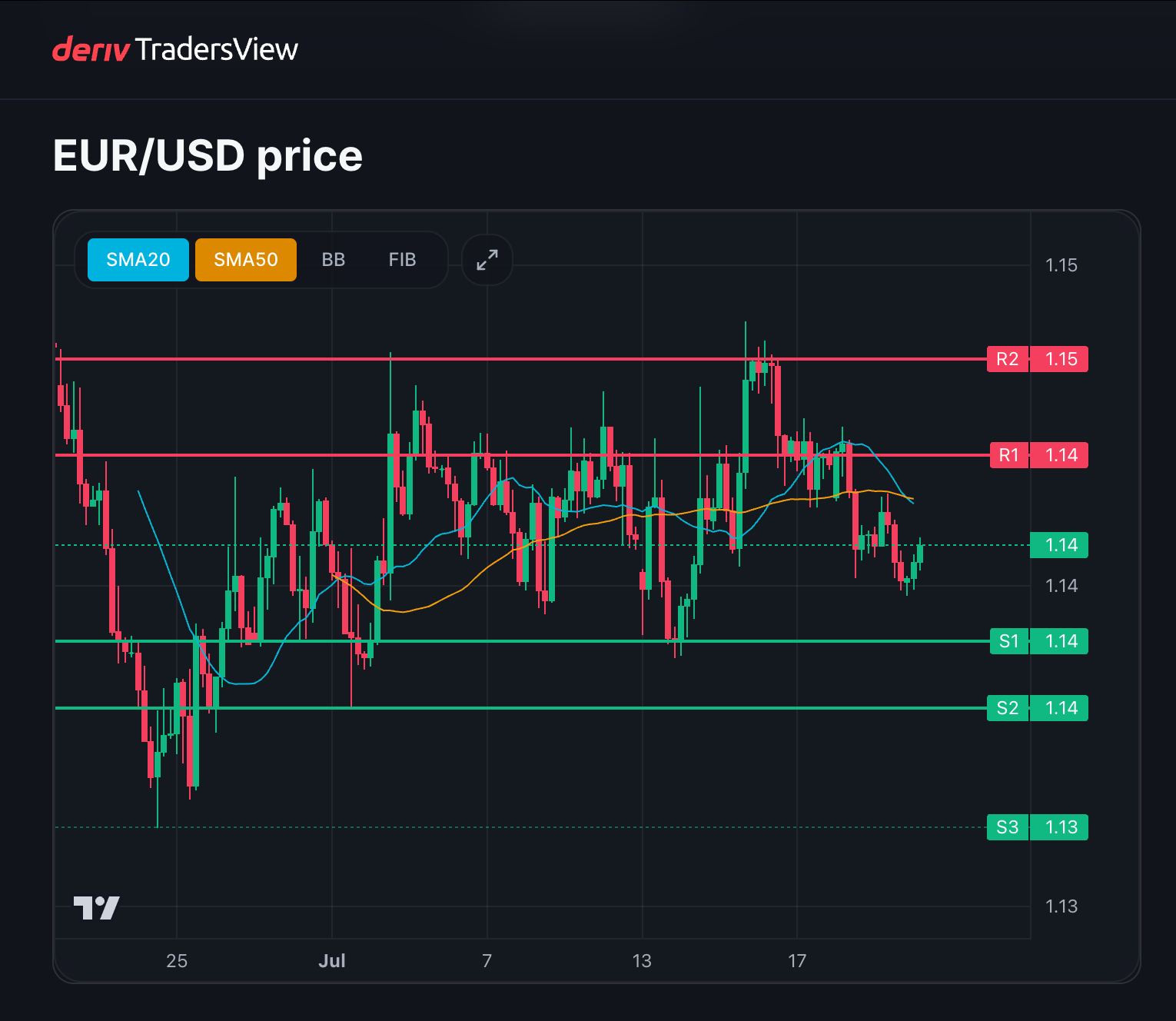
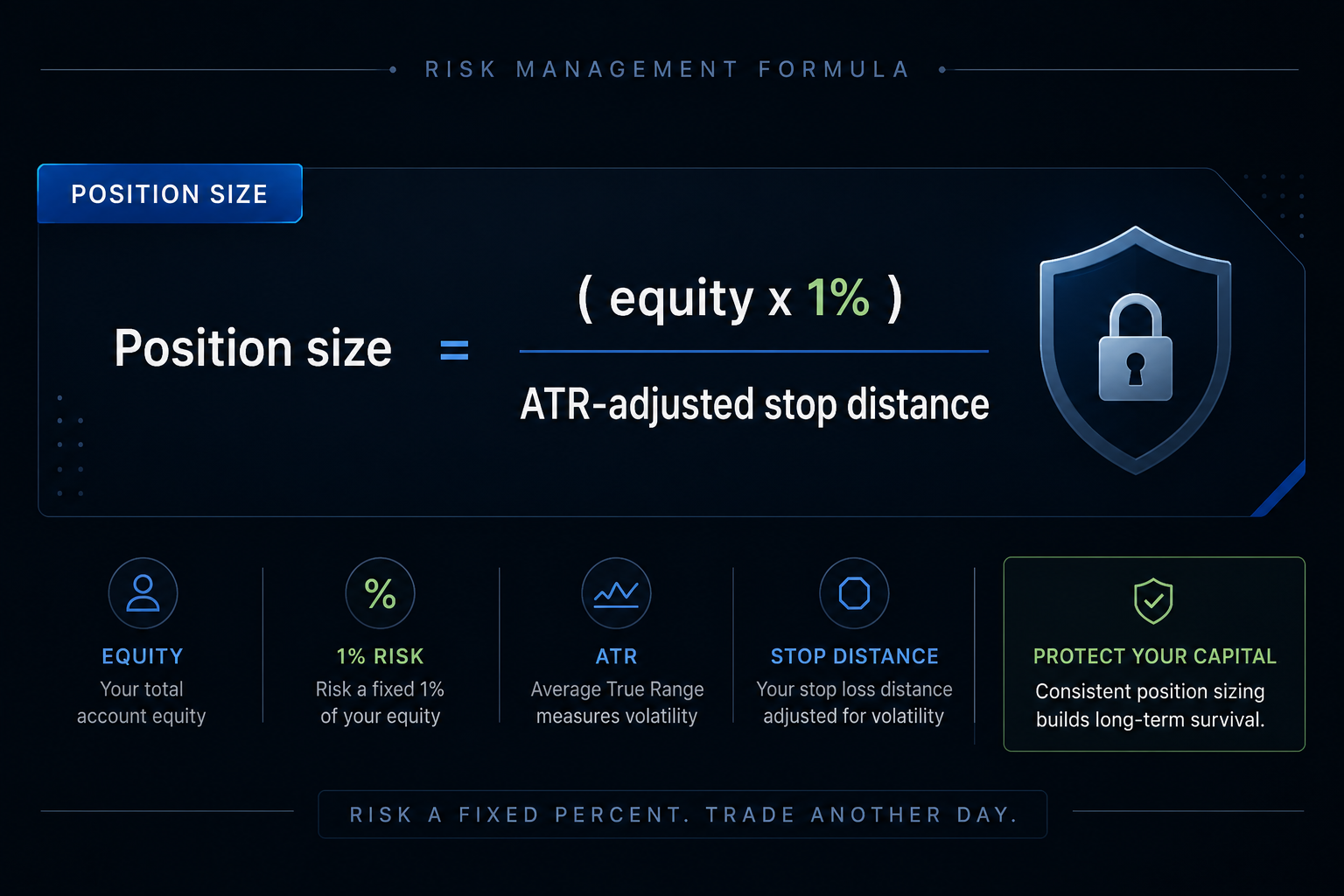
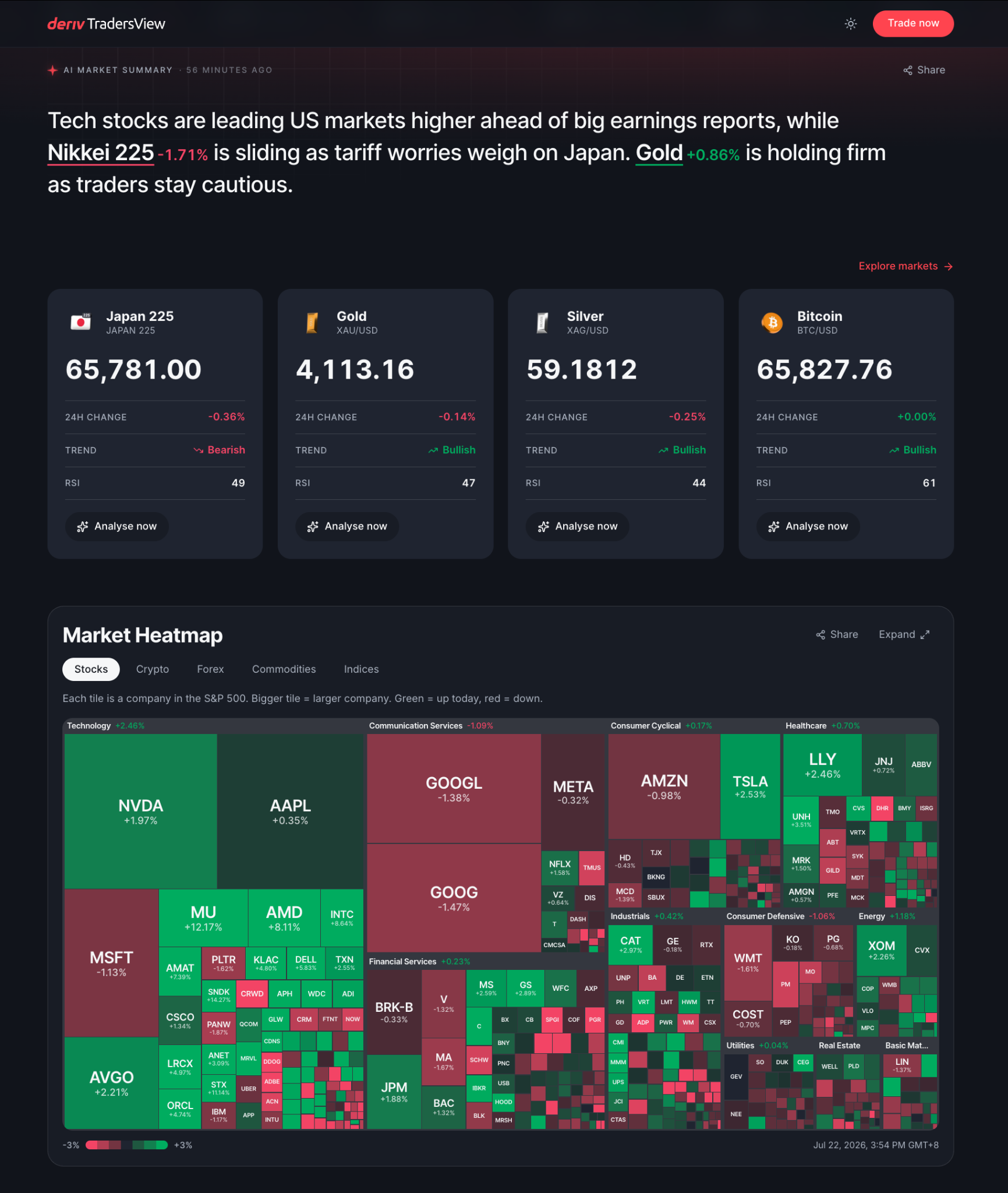
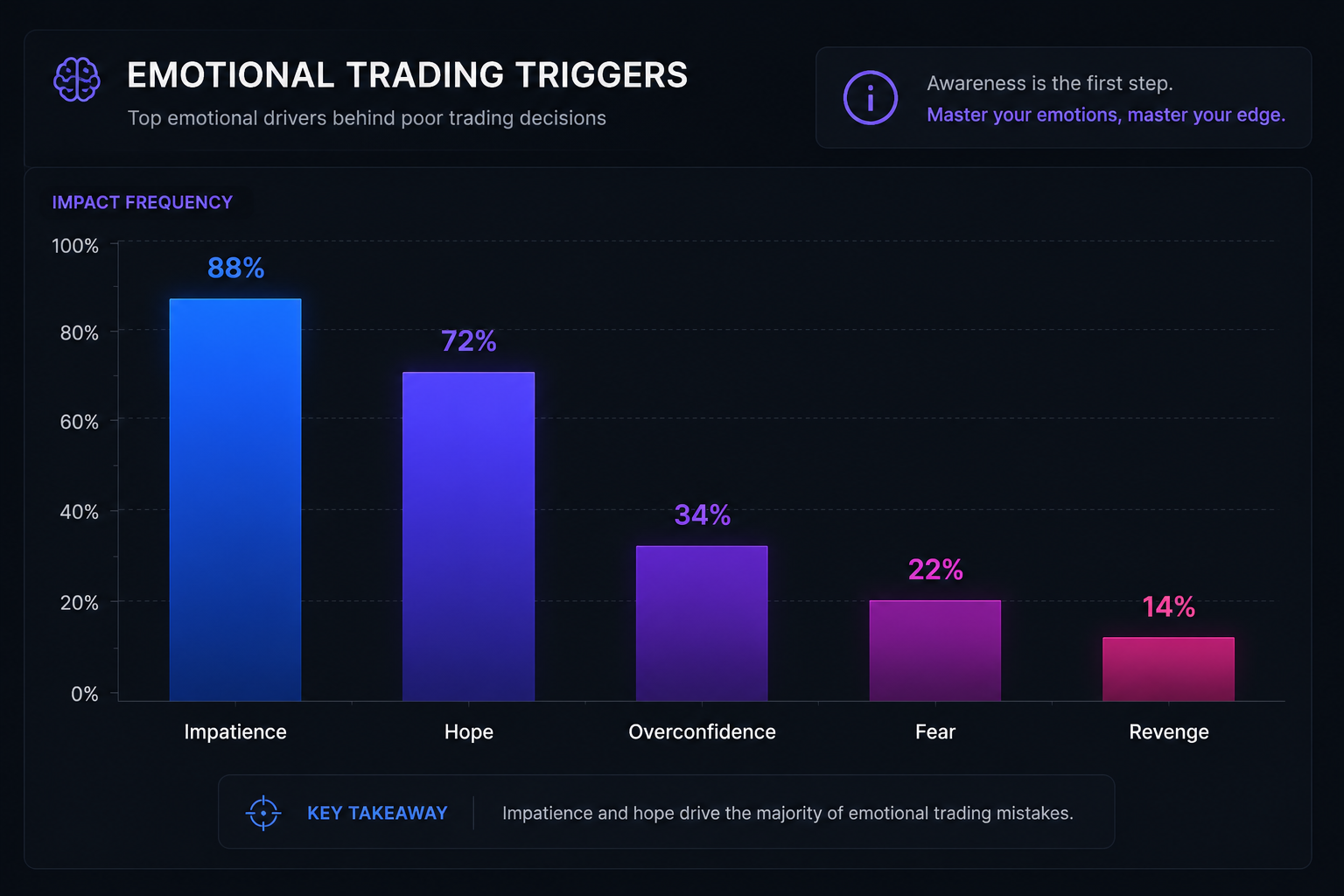
A 不久前,我曾寫過關於我如何為 FOMC 週建立 AI 宏觀儀表板的文章——內容是我如何運用 AI 將經濟日曆、新聞及各種情境濃縮成真正能用於交易的資訊。那篇文章談的是如何讓自己保持知情與準備。而這篇文章,則是關於之後發生的事:即使您有不錯的宏觀判斷和完善的儀表板,執行層面仍可能讓您漏財的殘酷現實。
START
  READ "trade_journal.csv"
    COLUMNS: date, symbol, pnl, notes
  DEFINE EMOTION_SETS:
    impatience    = ["should move", "too early", "soon", "jumped in"]
    overconfidence = ["high conviction", "obvious", "easy trade"]
    fear          = ["scared", "nervous", "hesitated", "cut early"]
    revenge       = ["get it back", "make it back", "chase", "missed it"]
    hope          = ["it will come back", "just this once", "give it room", "macro is still good"]

  FOR EACH trade IN journal
    text = LOWERCASE(trade.notes)
    themes = EMPTY_SET
    FOR EACH (label, phrases) IN EMOTION_SETS
      FOR EACH phrase IN phrases
        IF phrase IS IN text THEN
          ADD label TO themes
        ENDIF
      ENDFOR
    ENDFOR
    IF text CONTAINS ANY OF ["early", "no trigger", "moved stop", "oversized", "cut early"] THEN
      error_type = "execution"
    ELSE IF text CONTAINS ANY OF ["wrong thesis", "missed macro", "data changed", "read was wrong"] THEN
      error_type = "analysis"
    ELSE
      error_type = "unclear"
    ENDIF
    ATTACH themes AND error_type TO trade
  ENDFOR
  COUNT how many times each theme appears across all trades
    OUTPUT "emotion_summary.csv" WITH COLUMNS: theme, count
  OUTPUT "journal_flags.csv"
    COLUMNS: date, symbol, pnl, themes, error_type, notes
END
就是這樣。沒有任何魔法。
「AI」只是我用來幫助總結並標記這些主題的 Claude 程式碼模型——真正的工作仍在於我寫下的內容,以及我決定執行的規則。
請注意,我並非想提出全新的想法!「時機、規模、心理」是交易中最古老的三大要素。
我撰寫這份文件的原因很簡單:我需要一種方法,讓自己無法忽視這三個問題在我自身損益 (P&L) 中的存在。宏觀儀表板讓我對大局「大致正確」。而這套日誌加 AI 的工作流程,正是我用來察覺自己在實務操作中仍然犯下的所有錯誤,並將這些漏洞轉化為我真正能夠遵循的規則。