
Understanding the short squeeze: the mechanics and the mindset
What is a short squeeze? Learn the mechanics, psychology, and real-world impact of these volatile market events, including the historic GameStop saga.

By Harsh Karamchandani · CFA Charterholder | Trading Operations & Product Strategist
16 June 2026 · 5 min read

Have you ever watched a stock's price explode out of nowhere and thought, "That makes absolutely zero sense"? You were probably watching a short squeeze. It's one of the most chaotic events in trading, driven entirely by forced buying and raw emotion.
Here's a plain English breakdown of what a short squeeze actually is, a real-world example, and the psychology that fuels it.
The basics of short selling
Before we get to the "squeeze," we need to cover the "short."
Normally, you buy an asset hoping the price goes up. Short selling is the exact opposite. You borrow shares from a broker, sell them immediately, and hope the price drops. If it does, you buy those shares back at a cheaper price, return them to the lender, and keep the difference as your profit.
How the squeeze happens
The main catch with short selling is that your potential losses are technically unlimited. A stock can only drop to zero, but it can rise forever.
Here's how that danger turns into a squeeze:
- The trap: A squeeze starts when a heavily shorted asset suddenly goes up in price, maybe due to good news or a random wave of buyers.
- The panic: As the price climbs, short sellers start bleeding money. Their brokers step in and demand they deposit more cash to cover these mounting losses (this is called a margin call).
- The squeeze: If a trader cannot deposit that extra cash, the broker forces them to close the trade to prevent further losses. To close a short trade, you have no choice but to buy the asset back. This wave of forced buying pushes the price even higher, trapping more short sellers, and forcing them to buy, too. It creates an unstoppable upward spiral.
.webp)
The GameStop example
The most famous recent example is GameStop (GME) in early 2021. To understand how wild this event was, you have to look at the setup.
At the time, GameStop was a struggling video game store. Many Wall Street hedge funds viewed it as the next Blockbuster, a doomed company heading straight for bankruptcy. They placed massive, aggressive bets against the retailer. In fact, they got so greedy that they shorted roughly 140% of the available shares. Because of loopholes in how shares are borrowed, they had actually shorted more shares than physically existed.
Regular retail traders on the Reddit forum r/WallStreetBets noticed this incredible mathematical flaw. They realized that if they just bought the stock and refused to sell, the hedge funds would be trapped in a burning building with no exit. So, the retail crowd banded together and started buying.
This pushed the price up, triggering massive margin calls for the hedge funds. To survive, the funds had to buy back shares at catastrophic losses. It became a pure frenzy. During the actual squeeze, GameStop's stock skyrocketed from roughly $4 to nearly $500 in a matter of weeks. The panic was so intense that some brokerages notoriously restricted traders from buying the stock just to survive the clearinghouse requirements. When the dust settled, major hedge funds had lost billions of dollars.
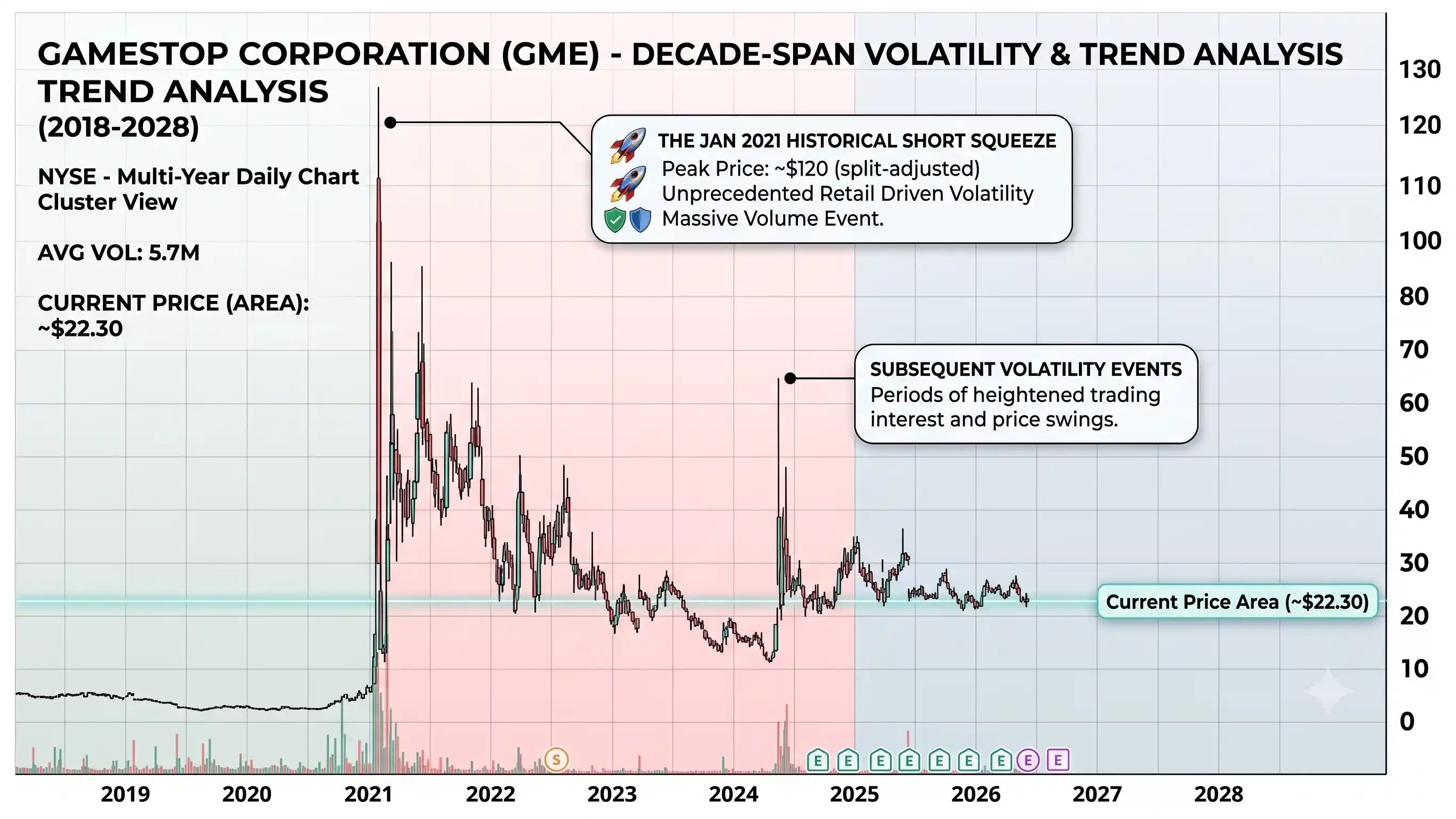
A quick note on the charts: If you look at a GameStop chart today, the 2021 peak looks closer to $120. That is because the company did a 4-for-1 stock split in July 2022, which permanently adjusts historical charts downward. But during the real event, the price was genuinely hitting $500.
The psychology behind the chaos
A short squeeze isn't just a math equation. It relies heavily on human behavior.
.webp)
- Loss aversion: Psychological studies show that the pain of losing money feels about twice as intense as the joy of making it. When short sellers see unlimited losses piling up, sheer panic sets in. They stop looking at the asset's real value and buy at any price just to stop the bleeding.
- FOMO and herd mentality: On the other side, regular investors see a stock flying and experience serious FOMO (Fear Of Missing Out). People naturally follow the crowd, jumping in to buy without checking the fundamentals, which just throws more fuel on the fire.
- The David vs Goliath narrative: In the GameStop saga, the psychology shifted from purely making money to an ideological battle. Retail traders viewed themselves as underdogs punishing greedy Wall Street institutions. This moral framing gave them the willpower to hold their shares well past logical profit-taking levels, deliberately maximizing the financial pain for the short sellers.
Final thoughts
A short squeeze is what happens when unlimited risk meets human panic. They make great news stories and Hollywood movies, but they are incredibly dangerous to trade. Knowing how they work is simply a required part of staying safe in volatile markets.
This article is market commentary intended for educational purposes only. It is not investment advice, nor a recommendation or solicitation to buy or sell any security.
All figures are based on pre-listing reporting and market estimates and may change when final prospectus pricing is confirmed. Trading and investing carry risk, including the possible loss of capital.